
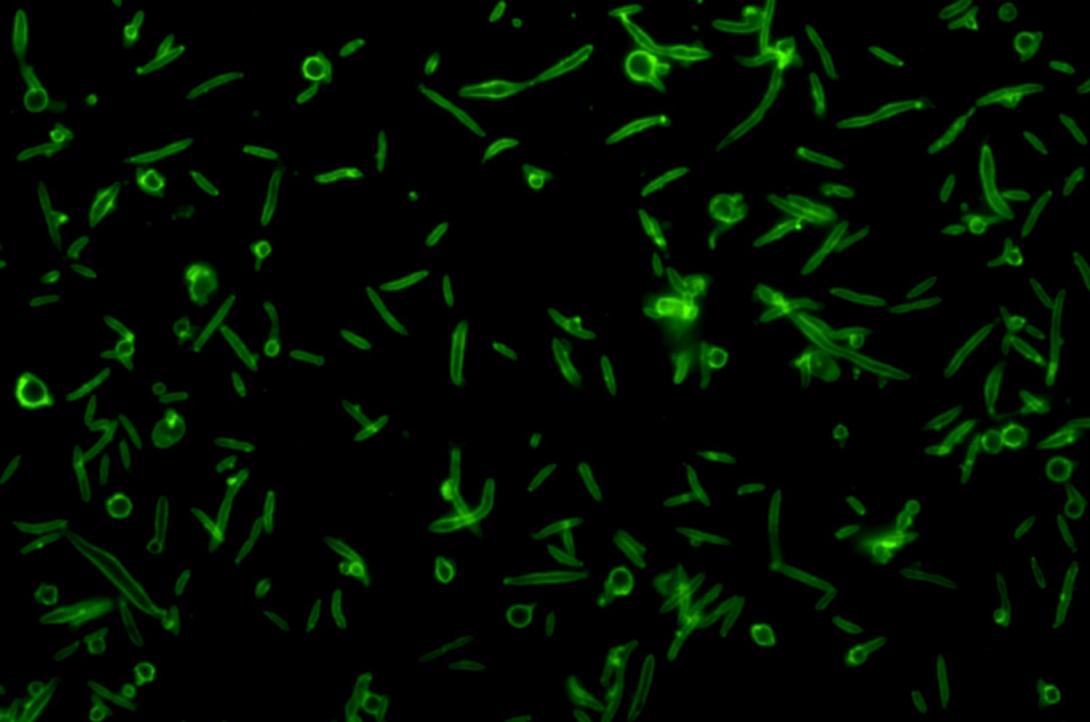
C. canimorsus sepsis is accompanied in up to 50% of the cases by skin manifestations, reaching from petechiae to purpura fulminans. The patients that develop severe sepsis and septic shock frequently suffer from disseminated intravascular coagulation (DIC) and consequently develop gangrene (8-13% of all cases) leading to amputations of fingers, arms or legs. One third of the autopsies carried out on deceased patients showed haemorrhage of the adrenal glands. Haemostasis is part of the innate immunity and a range of bacteria has the capacity to modulate this mechanism of defence. In view of these facts and the frequent occurrence of bleeding abnormalities during C. canimorsus infections we investigate the interactions between C. canimorsus and the human coagulation system. This research is done in collaboration with the group of JM Dogné from the "Namur Medicine & Drug Innovation Center" (NAMEDIC).
Publications:
Hack, K, Renzi, F, Hess, E, Lauber, F, Douxfils, J, Dogné, JM & Cornelis, GR 2016, Inactivation of human coagulation factor X by a protease of the pathogen Capnocytophaga canimorsus Journal of thrombosis and haemostasis : JTH. DOI: 10.1111/jth.13605